

Foot or ankle pain
Foot pain can alter your stride and cause compensations in the knee, hip or back. At EONLIFE Clinic we study its origin to reduce pain, restore mobility and walk with confidence.
Reduce pain and inflammation
Walking more safely
Weighing up options before surgery
Common pathologies related to foot or ankle pain

Inflammation or irritation of the plantar fascia, which usually causes pain in the sole of the foot or the heel, especially when getting up, walking or standing for long periods.
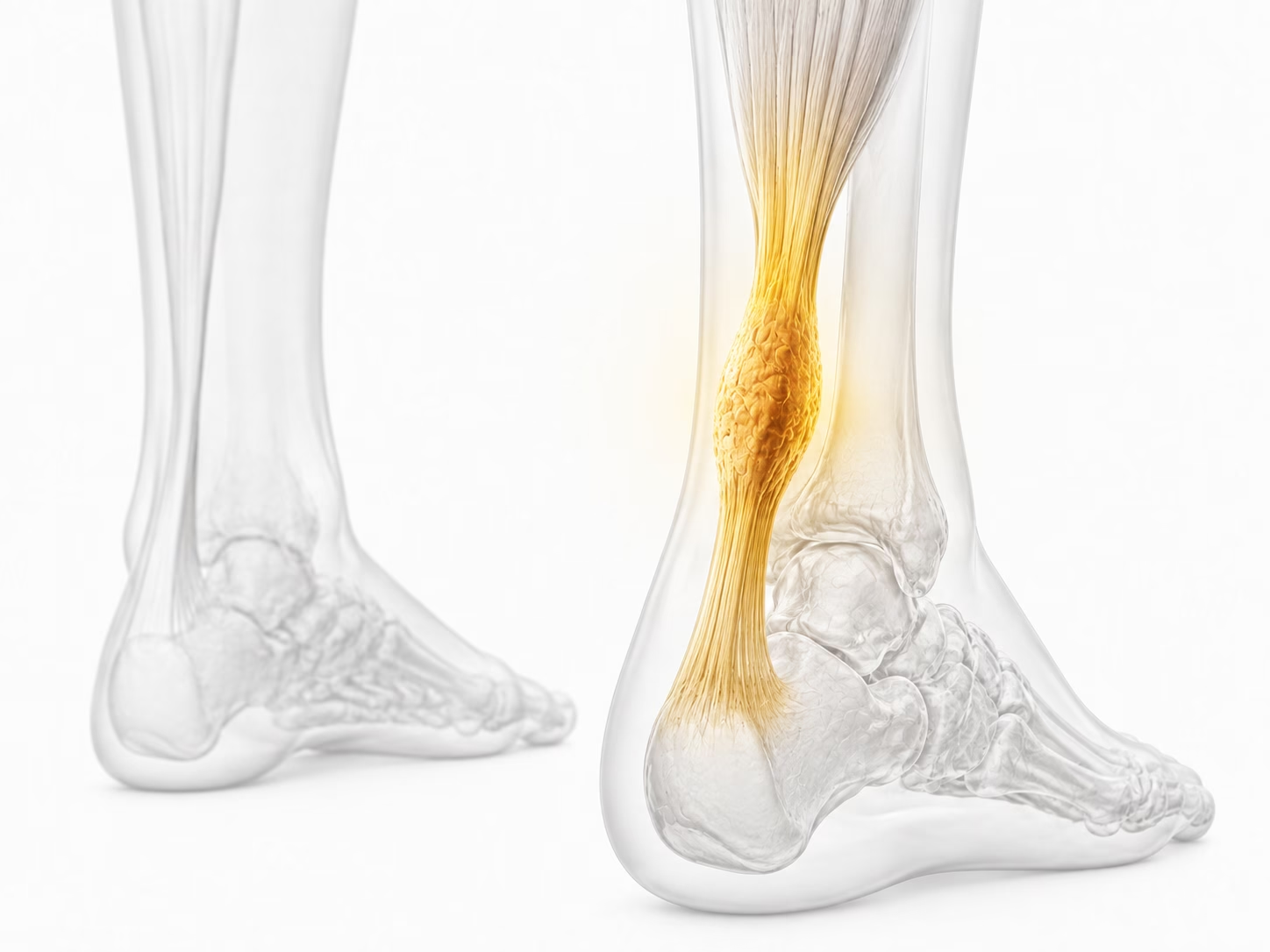
Achilles tendon injury or overload. It can cause pain in the back of the ankle, stiffness when starting to walk and discomfort when running, jumping or walking up hills.

Posterior tibial tendon involvement, which is important for support and the arch of the foot. It can cause pain on the inside of the ankle, fatigue when walking and a progressive loss of stability.
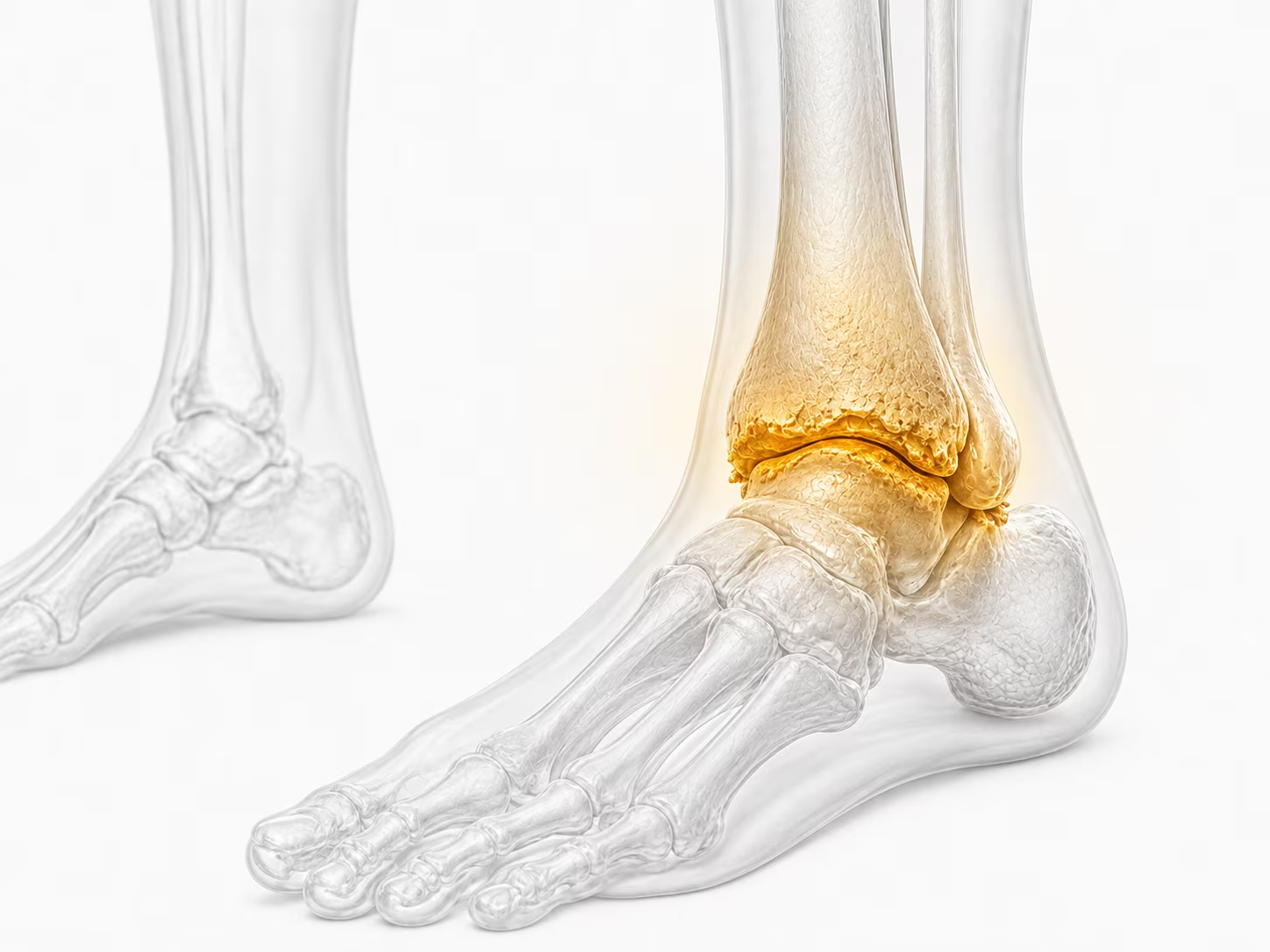
Progressive wear and tear of the ankle joint. It can cause pain, stiffness, swelling and difficulty walking or bearing weight on the foot normally.

Lesions affecting the cartilage and bone of the joint, especially in the ankle. They can cause persistent pain, swelling, locking or a feeling of instability.

A poorly healed sprain can leave pain, instability, recurrent swelling or a feeling of insecurity when walking, running or playing sports.

Wear and tear of the foot joints that can cause pain when walking, stiffness, inflammation and difficulty bearing weight or wearing certain footwear.

The foot and ankle are the basis of your movement
Common symptoms and causes of foot or ankle pain
Pain that alters one's gait
Pain in the heel or the sole of the foot
Achilles tendon pain
Instability after a sprain
Stiffness or loss of mobility

How we assess foot or ankle pain
Medical evaluation and examination
Testing and diagnostics
Personalised treatment plan
Recovery tracking
What you can expect from the treatment
The progression depends on the type of injury, how long the pain has been present, the condition of the tissue, the load the area bears and the patient's involvement in their recovery. That is why we work with realistic goals and medical monitoring.
Understand which structure is affected
Reduce pain and inflammation
Restore support, stability and gait
If foot or ankle pain is limiting your day-to-day life, do not normalise it: find out what is going on
Scientific studies
SVF in osteochondral lesions of the talus
Frequently asked questions
What can cause foot or ankle pain?
It can be caused by plantar fasciitis, tendinopathies, osteoarthritis, osteochondral lesions, poorly healed sprains, overload, gait abnormalities or inflammation of joint or tendon tissues. The exact cause must be assessed in consultation.
When should I consult someone about foot or ankle pain?
It is advisable to consult if the pain lasts for several weeks, limits walking, causes a limp, prevents sports, involves swelling, causes instability or does not improve with rest, physiotherapy, insoles or conservative treatment.
Can foot or ankle pain affect other areas of the body?
Yes. If pain changes the way you walk, the body can compensate by placing more load on other areas such as the knee, hip or back. That is why it is important to assess gait and weight-bearing, not just the point where it hurts.
Can regenerative medicine avoid surgery?
In some cases it can be an alternative to consider before more invasive options, but it depends on the diagnosis, the degree of injury, stability, pain and the patient's response.
What treatments can be used for foot or ankle pain?
Depending on the case, physiotherapy, therapeutic exercise, insoles, growth factors, platelet-rich plasma, stem cells or other medical strategies may be considered. The indication depends on the type of injury and the medical assessment.
How long does foot or ankle pain take to improve?
It depends on the origin of the pain, the condition of the tissue and the load the area supports. Some injuries improve in a few weeks, while others require more time, monitoring and active recovery work.